By Julian Sterling, Lead Cultural Correspondent
January 20, 2026
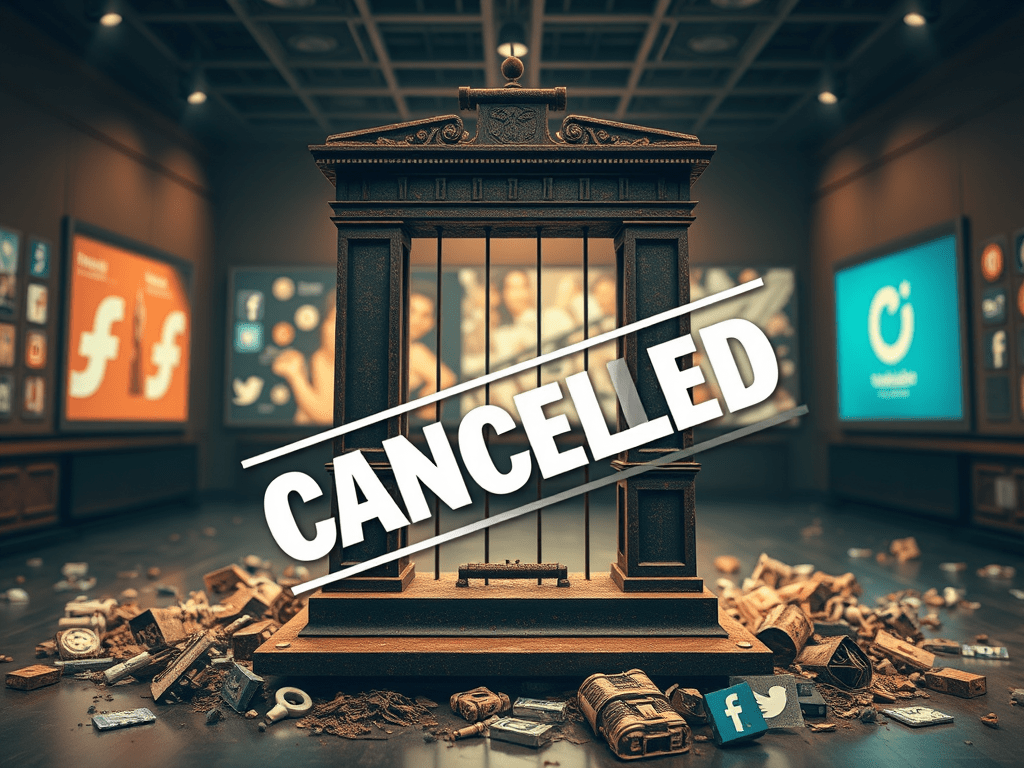
For the better part of a decade, the digital “guillotine” has remained sharpened and ready, poised to drop on any public figure who stepped outside the shifting boundaries of social orthodoxy. But as we enter early 2026, a strange silence has fallen over the executioner’s block. The hashtags aren’t trending like they used to, the boycotts are losing their sting, and the “apology tour” has been replaced by a shrug. In a stunning reversal of social dynamics, it appears that cancel culture has finally been cancelled by a public suffering from deep-seated outrage fatigue.
The turning point didn’t come from a single event, but from a collective realization that the digital death penalty had lost its efficacy. When everyone is a villain, no one is. Industry insiders are noting that the “fear of the mob” that once dictated corporate HR policies and talent casting has largely evaporated, replaced by a cynical “wait and see” approach that usually rewards the resilient.
“We’ve reached a point of absolute saturation,” says Dr. Alistair Vance, a media sociologist. “The public’s appetite for destruction has been replaced by a demand for nuance. People are tired of being told who to hate by an algorithm. They’ve seen too many ‘cancellations’ turn out to be nothing more than temporary inconveniences followed by a lucrative comeback special.”
The data supports this shift. In 2026, the traditional cycle of outrage—outcry, deplatforming, and permanent exile—has broken down. High-profile figures who were “erased” in 2023 and 2024 are back on center stage, often with larger audiences than before. The reason? A growing “anti-fragility” among celebrities and a consumer base that has become desensitized to the shock-value of past transgressions.
“You can’t fire someone who refuses to leave,” notes Avery Finch, a veteran talent agent. “The secret is out: if you don’t apologize to the mob, the mob eventually moves on to the next shiny object. Brands are starting to realize that the ‘noise’ on social media rarely translates to a loss in actual revenue. In fact, ‘canceling’ a product often results in a ‘buycott’ from the other side, balancing the scales.”
Public sentiment has shifted toward what some are calling “Post-Accountability Realism.” Even the most egregious social faux pas are now met with a mixture of skepticism and indifference. The collective moral high ground has been eroded by years of performative activism, leaving behind a landscape where the only unforgivable sin is being boring.
As we look toward the rest of 2026, the legacy of cancel culture remains a cautionary tale about the limits of digital vigilantism. While it successfully held some powerful figures accountable, its overreach eventually led to its own demise. The guillotine has been moved to a museum, and for the first time in years, the public square feels less like a courtroom and more like a marketplace of ideas—messy, imperfect, and finally, uncancelled.
 Real.Good.News.
Leave a comment