By Julian Sterling, Lead Investigative Correspondent
January 19, 2026
As we settle into 2026, the global “Retro-Reset” has us all reaching for the comfort of the past. But while we’re busy bidding on vintage snack tins and tracking down discontinued flavor profiles, we often forget that the foundations of our childhood were built on some remarkably grim soil. The items we loved most weren’t just products; they were cultural experiments with histories that are, quite frankly, better left buried.
Before you pour that next bowl of nostalgia, here is the unsettling truth behind six things currently trending in our collective memories.
1. The “Addictive” Science of the Leprechaun
We grew up believing the marshmallows in our favorite colorful cereals were “magically delicious,” but in 2026, leaked archival data has given us a more clinical view. In the mid-20th century, cereal engineering wasn’t about flavor—it was about “neuro-locking.” Researchers discovered that the specific sugar-to-dye ratio in these marshmallows was designed to trigger the same dopamine spikes as early slot machines. We weren’t just eating breakfast; we were being programmed for a lifetime of sensory seeking.
2. The Death Mask of the CPR Dummy
Every student who has ever practiced a chest compression has stared into the vacant, peaceful face of “Resusci Annie.” While she’s currently a kitschy icon in 2026 medical-core fashion, her origins are haunting. Her face was modeled after a 19th-century death mask of an unidentified young girl pulled from the River Seine in Paris. For over a century, the most “saved” face in history has actually been the likeness of a tragic, anonymous drowning victim.
3. The Prison Origins of “Deadlines”
In 2026, we obsess over our “deadlines” in the remote-work era, but the term has a literal, lethal history. During the American Civil War, a “dead-line” was a physical boundary inside military prisons. If a prisoner stepped over that line, they were shot instantly. Today, we use the term to describe a missed Zoom call; 160 years ago, it was the last thing you ever saw.
4. The “Franken-Berry” Medical Scare
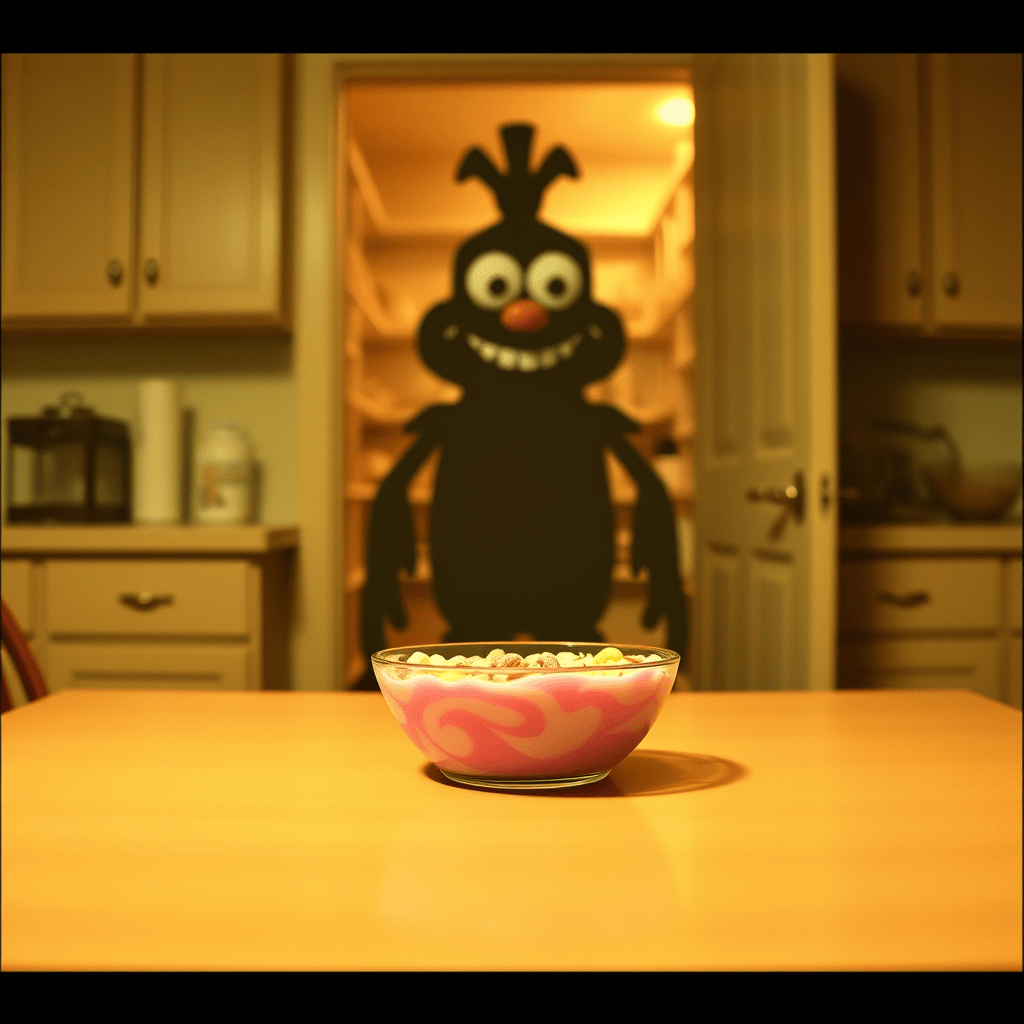
Number four will truly shock you, and it certainly shocked parents in 1972. When the strawberry-flavored monster cereal first hit shelves, it caused a wave of panicked hospital visits across the United States. Children were presenting with what looked like internal hemorrhaging—specifically, bright pink stool. It turned out the cereal used a synthetic dye so potent the human body couldn’t break it down. Doctors dubbed the condition “Franken-Berry Stool,” and the formula had to be radically altered to stop a national medical emergency.
5. The “Landlord” Roots of Monopoly
We view Monopoly as the ultimate celebration of capitalism, but its creator, Elizabeth Magie, designed it as a warning. Originally called “The Landlord’s Game,” it was intended to demonstrate how monopolies impoverish the many to enrich the one. It was a protest tool that was eventually bought and rebranded into the very thing it was meant to destroy. Every time you “Pass Go,” you are participating in the successful commercialization of a radical anti-corporate manifesto.
6. The Mascot “Nightmare Fuel”
The 2026 digital archives have recently unearthed the original “Tony the Tiger” and “Toucan Sam” test concepts from the 1950s. Before they were polished into friendly cartoons, these mascots were designed with hyper-realistic, human-like features intended to create “biological trust.” The result was so disturbing to test audiences—frequently cited as “nightmare fuel”—that the companies had to pivot to the simplified, “safe” designs we know today. We were inches away from a world where our cereal spoke to us with human teeth.
 Real.Good.News.
Leave a comment