By Julian Sterling, Lead Cultural Correspondent
January 19, 2026
In the vast, untamed theater of the natural world, evolution often acts like a mad scientist with a flair for the dramatic. While much of our cultural attention is focused on domestic trends, the wild kingdom has been busy perfecting biological feats that put even the strangest human hobbies to shame. It is time to look past the “cute” and “cuddly” to the truly eccentric mechanics of life.
From unorthodox plumbing to age-defying regenerations, here are 15 of the most bizarre and obscure facts that prove Mother Nature is far more creative than we give her credit for.
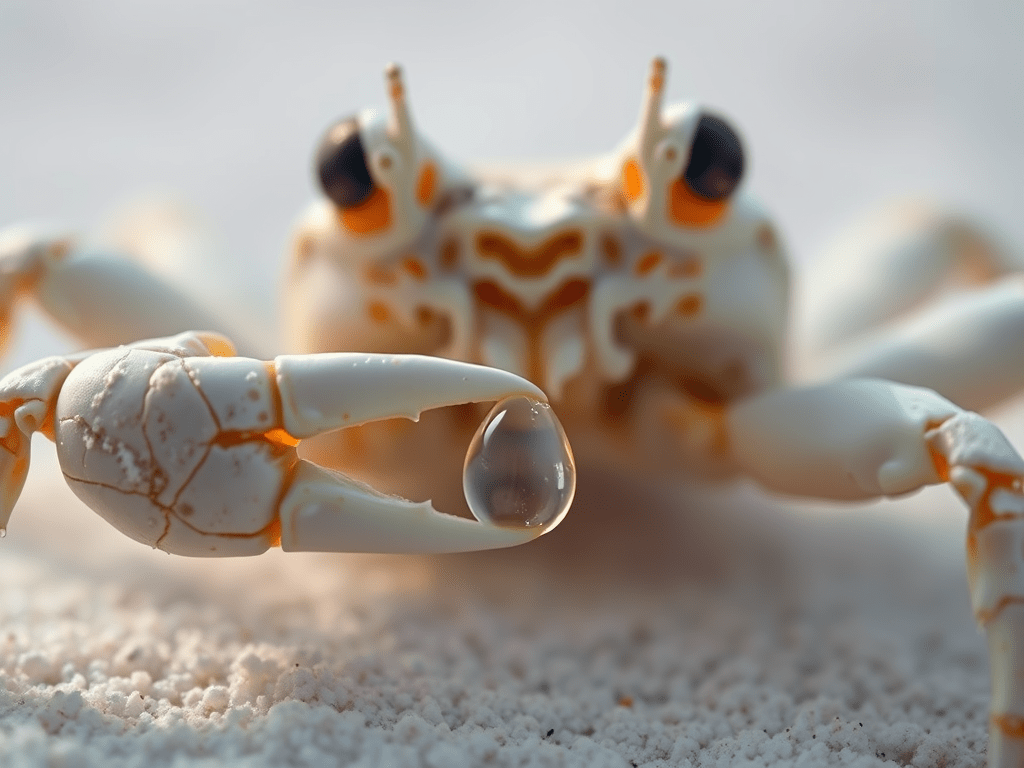
- Crabs Literally “Pee” From Their Eyes. If you’ve ever felt like a crab was giving you a dirty look, you might have been right. Crabs have urinary bladders located just below their eye stalks. They release pheromones and waste through “antennal glands,” essentially squirting urine from their faces to communicate with rivals or potential mates.
- Isopods Excrete Waste as Gas. Woodlice and other isopods have mastered the art of the “invisible leak.” Instead of liquid urine, they excrete nitrogenous waste as ammonia gas through their exoskeletons. This allows them to thrive without the constant need to stop for a traditional “bathroom break.”
- The Bee’s Knees are Built for the Long Haul. Bees possess six distinct leg segments with highly articulated joints. These “knees” are essential for the intricate maneuvers required to pack pollen into their “baskets.” When someone calls you the “bee’s knees,” they’re essentially complimenting your structural integrity.
- Butterflies Taste With Their Feet. To ensure a leaf isn’t toxic before laying eggs, a butterfly simply does a little dance on it. Chemical receptors on their feet tell them everything they need to know about the plant’s chemical makeup.
- Wombat Droppings are Perfect Cubes. To keep their territorial markers from rolling down hills, wombats produce square-shaped scat. Their intestines have varying degrees of elasticity, which “mold” the waste into cubes before it exits.
- Male Seahorses Endure Labor. In the seahorse world, the males carry the heavy load. They possess a brood pouch where they fertilize and carry up to 2,000 eggs, eventually experiencing muscular contractions to “give birth” to the tiny fry.
- Frogs Use Their Eyes to Swallow. Because they lack a sophisticated set of swallowing muscles, many frogs blink forcefully while eating. Their eyeballs actually retract into the skull to help push the food down their throats.
- Octopuses Have Nine Brains and a “Secret” Limb. Beyond the central brain, each arm contains a mini-brain of its own, allowing for independent movement. However, the most intimate secret of the octopus is the hectocotylus—a specialized tentacle that functions as a penis. To the casual observer, it looks like any other arm, and only the octopus truly knows which limb is intended for “special projects.”
- Koalas Have Human-Like Fingerprints. The ridges and swirls on a koala’s fingertips are so uncannily human that they have occasionally “contaminated” crime scenes in Australia, baffling forensic investigators.
- Sloths Can Hold Their Breath Underwater for 40 Minutes. Despite their reputation for being slow on land, sloths are surprisingly adept swimmers. They can slow their heart rate to one-third of its normal pace to stay submerged longer than most dolphins.
- A Group of Flamingos is a “Flamboyance.” This is perhaps the most aptly named collective in the animal kingdom, perfectly capturing their neon-pink social hierarchy.
- Narwhal “Tusks” are Highly Sensitive Teeth. The spiraled horn of a narwhal is actually a left-aligned canine tooth containing millions of nerve endings, used to sense changes in water temperature and pressure.
- Cows Experience Social Anxiety. Research shows that cows have “best friends” and become visibly stressed—measured by an increased heart rate—when separated from their favorite companions.
- Platypuses Lack Stomachs. Evolution decided the platypus didn’t need a complex acid-filled sac. Their esophagus leads directly to their intestines, making them the ultimate “fast-casual” eaters of the animal world.
- The Immortal Jellyfish Can Hit “Reset.” When faced with physical stress or old age, Turritopsis dohrnii can transform its cells back to their earliest polyp stage, effectively starting its life over from scratch.
As we navigate the complexities of our modern world, these biological oddities serve as a firm reminder that the natural world is far more fluid and experimental than our textbooks once suggested. Whether it is a crab using its face for a private release or an octopus keeping its most functional limb under wraps, animals continue to find “creative” ways to handle their business and ensure the survival of their lineage. Nature doesn’t care for our sense of propriety; it only cares about what works when the pressure is on. By embracing these bizarre truths, we can stop trying to “fix” the wild and instead appreciate the raw, unfiltered ingenuity of life on the edge
 Real.Good.News.
Leave a comment