By Avery Finch | Senior Staff Writer
January 17, 2026
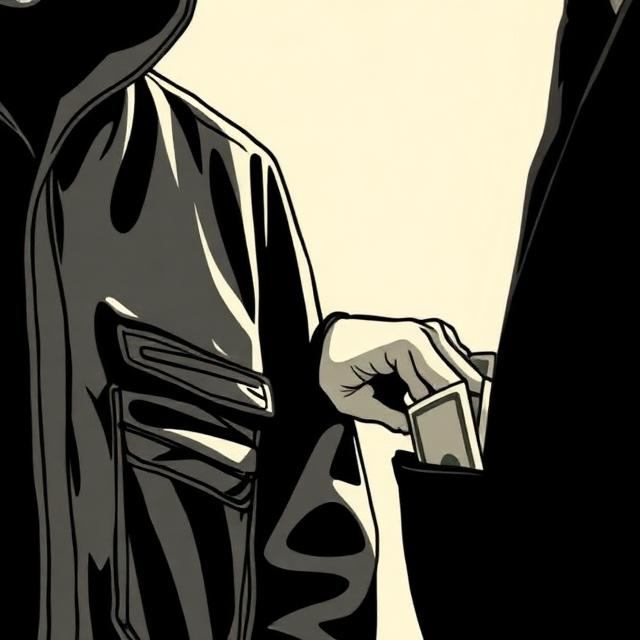
In 2026, your most significant financial threat isn’t a market crash or a phishing scam—it’s a quiet legal process called “escheatment.” While it sounds like a medieval tax, it is very much a modern reality. Across the United States, billions of dollars in “abandoned” assets are being funneled into state coffers, often before the owners even realize they are missing.
The Three-Year Countdown
Escheatment is the process where the state takes custody of unclaimed property—bank accounts, stocks, or uncashed checks—after a period of inactivity known as a “dormancy period.” By January 2026, most states have standardized this period to just three years.
The stakes have never been higher. As of late 2025, California alone held an estimated $13 billion in unclaimed property. Nationwide, states have reunited over $4.49 billion with owners in the last fiscal year, but billions more remain in state “general funds,” effectively serving as interest-free loans to the government.
Digital Assets: The New Frontier
The most aggressive shift in 2026 involves digital financial assets. On January 1, 2026, California’s SB 822 took effect, officially subjecting cryptocurrency and custodial wallets to escheatment laws.
- The Inactivity Trap: If you don’t “exercise an act of ownership”—such as buying, selling, or even just logging in—for three years, your digital wallet can be seized.
- Liquidation Risks: States like Maryland and Colorado now require businesses to liquidate virtual currency before reporting it to the state. If the market spikes after your “abandoned” Bitcoin is sold for cash, you are only entitled to the original proceeds, not the lost gains.
Voices from the “Abandoned”
The human cost of these policies is often obscured by legal jargon. For those caught in the system, the experience is anything but bureaucratic.
- The Retirement Wipeout: Jan Peters, a retiree whose Amazon stock was escheated and sold by California, lost nearly $2.6 million in potential growth. “I didn’t try to build security with anything else,” Peters stated in a recent interview. “This is all I have”.
- The Tears of the Unclaimed: Bill Palmer, a legal advocate for property owners, receives daily calls from people devastated by the process. “Many are in tears,” Palmer says. “The program is harming the very people it’s supposed to be helping”.
How to Protect Your Assets in 2026
- Perform an Annual Search: Use the Missing Money multi-state database to check for funds in your name.
- Activity is Key: Log into all financial accounts, including crypto exchanges and old bank accounts, at least once a year. This “act of ownership” resets the three-year dormancy clock.
- Update Your Contact Info: Ensure all financial institutions have your current physical and email addresses. If a “due diligence” letter is returned as undeliverable, the escheatment process begins immediately.
- Monitor State Changes: Check the National Association of Unclaimed Property Administrators (NAUPA) for updates on your state’s specific laws, especially if you hold digital assets.
In 2026, the government is no longer waiting for you to die to claim your estate. They are waiting for you to look away.
 Real.Good.News.
Leave a comment