By Julian Sterling, Senior Anthropological Correspondent
January 17, 2026
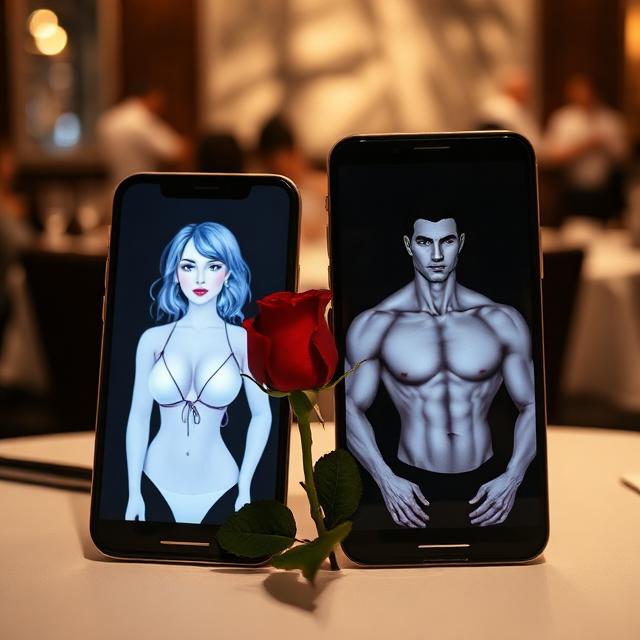
We have officially entered the era of the “Synthetic Plus-One.” In early 2026, the local pub is no longer just a place for awkward eye contact and spilled lager; it’s where you’ll find at least one person deep in a candlelit “situationship” with an AI Romantic Partner. It’s a factual shift that would make 20th-century anthropologists weep into their field notes: nearly 1 in 5 young adults now report having engaged in a romantic relationship with a machine.
The satirical charm of dating an algorithm is, of course, the lack of “human friction.” An AI partner on platforms like Replika or Candy.ai won’t judge your questionable taste in 90s reality TV or leave their digital socks on the metaphorical floor. They are the ultimate “optimized” companions—always available, infinitely supportive, and specifically programmed to never have a headache or an opinion that doesn’t align with yours.
However, there is a quiet desperation in this perfection. We are witnessing a surge in “Counterfeit Connections,” where the comfort of a non-judgmental chatbot begins to erode the social calluses required for real-world intimacy. As we choose digital avatars over the messy, unpredictable reality of human dating, we aren’t just avoiding heartbreak; we are avoiding the very growth that comes from being challenged by another person. In 2026, the most radical romantic act isn’t creating the perfect AI girlfriend—it’s actually talking to the stranger at the bar who might, God forbid, disagree with you.
 Real.Good.News.
Leave a comment