By: Julian Sterling | Tech & Lifestyle Correspondent
January 17, 2026
SAN FRANCISCO – If you thought 2025 was the year we reached “peak pet,” 2026 has arrived to politely hold your leash and prove you wrong. Following the groundbreaking—and arguably spine-chilling—revelations at CES 2026 earlier this month, the line between “pet owner” and “high-tech helicopter parent” has finally dissolved into a silicon-scented mist.
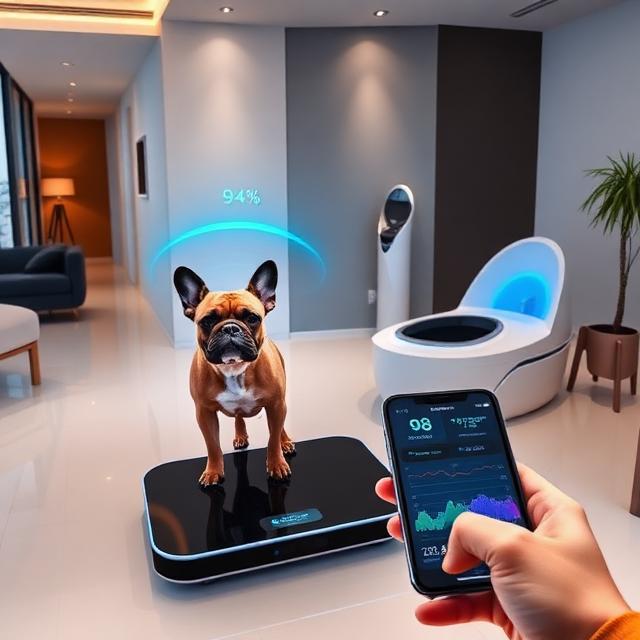
The headliner of this year’s “Integrated Health Monitoring System for Pets” isn’t a new kibble flavor, but the PETKIT Ecosystem, a suite of AI-driven appliances designed to track your cat’s every move with the clinical precision of a high-security prison. The lineup includes the
EVESWEET ULTRA, an automatic water fountain that doesn’t just hydrate; it monitors “sipping frequency” to build a “trackable health profile”. Combined with the PUROBOT CRYSTAL DUO, an AI-camera-equipped litter box, your pet’s most private moments are now uploaded to a cloud-based “health card” for your viewing pleasure.
“We aren’t just watching them; we’re predicting them,” said one tech enthusiast at the Las Vegas show, eyeing a
Samsung SmartThings display that uses AI to scan pet photos for early signs of cataracts and patellar luxation. Because nothing says “I love you” like a push notification at 3:00 AM informing you that your Golden Retriever’s knee alignment has shifted by 0.4 degrees.
The Death of the Collar and the Rise of ‘Naked’ Recognition
For those who find traditional collars “invasive” or “hazardous,” 2026 marks the official dawn of the “unplugged” pet. The industry has pivoted toward Face ID for animals, using high-precision visual sensors to identify your pet by its unique facial contours and coat patterns. This “Naked Recognition” technology ensures that your smart-feeder only dispenses the $85-a-bag organic salmon to the correct cat, effectively ending the era of feline identity theft.
But the innovation doesn’t stop at physical health. For the modern professional who feels a crushing sense of guilt for working a 40-hour week, LilMilo has arrived. It’s an AI-powered robotic dog that can recognize your voice and follow you with its eyes. Meanwhile, the
AI Panda An’An offers “emotional support” to elderly owners, remembering their voices and preferences to combat loneliness—a robotic companion that, unlike a real panda, won’t eat your furniture or require a permit from the Chinese government.
A Market of Resilience and Luxury
Despite economic whispers of “uncertainty,” the global pet care market is projected to surpass $350 billion this year. Analysts suggest that Gen Z and Millennial owners, who now make up 62% of pet parents, are increasingly viewing their pets as “starter children” who require “premiumization”. This has birthed a niche for JSX x Petco, which recently announced luxury air travel services featuring “curated lounge treats” and customized inflight snacks for dogs flying between boutique terminals.
As we move further into 2026, the question is no longer whether we can use AI to understand our pets, but whether our pets will eventually use AI to tell us to leave them alone. Until then, we’ll continue to monitor their hydration levels via smartphone, because in 2026, a pet that isn’t data-synced is a pet we barely know at all.
 Real.Good.News.
Leave a comment