By Julian Sterling, Senior Anthropological Correspondent
January 17, 2026
For decades, the headlines have been a relentless drumbeat of ecological despair. But as we navigate the opening weeks of 2026, a factual and frankly breathtaking shift is occurring across the globe. We aren’t just slowing the decline; we are witnessing a Biological Resurgence so aggressive it feels like the planet itself has decided to stage a comeback. From the return of long-lost predators to the literal healing of our oceans, 2026 is shaping up to be the “Year of the Great Rewilding.”
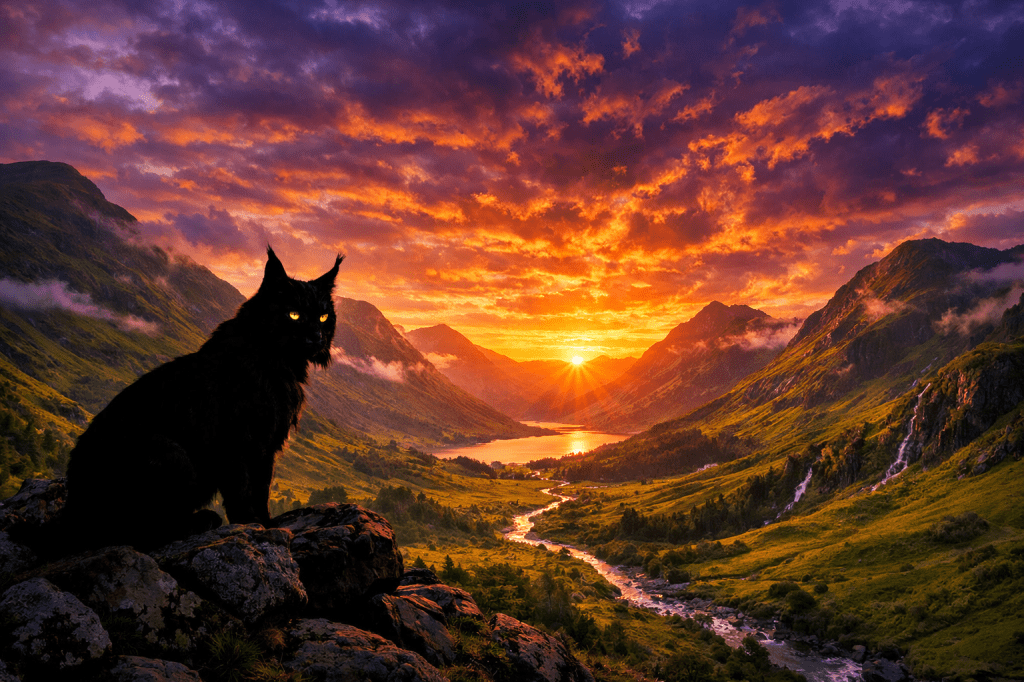
The most sensational news comes from the highlands of Scotland, where the Lynx—extinct in Britain for over 500 years—is officially a step closer to reintroduction following a massive surge in public support. Meanwhile, in Africa, the Democratic Republic of Congo has just enacted a total ban on the trade of African Grey Parrots, marking one of the decade’s biggest wildlife wins. But the real “mic-drop” moment for conservationists occurred in Kenya, which has just opened the world’s largest wildlife sanctuary—a space twice the size of London—dedicated specifically to saving the critically endangered black rhino.
Even our oceans are getting in on the act. For the first time in over 30 years, Coho salmon have been spotted returning to California’s Russian River, a miracle of habitat restoration and rescue missions. And if that isn’t enough to make you breathe easier, the UN Environment Programme has confirmed that the ozone layer is officially on track for a full recovery by 2065. In 2026, we have finally realized that “helping animals helps people,” and the results are nothing short of spectacular. The Earth isn’t just surviving; it’s thriving, and for once, we’re actually invited to the party.
 Real.Good.News.
Leave a comment