By Julian Sterling, Senior Anthropological Correspondent
January 17, 2026
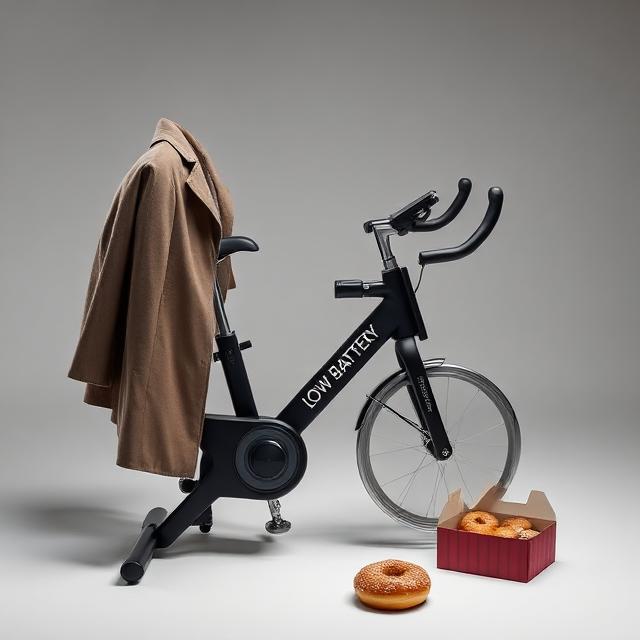
By the seventeenth day of January, the collective enthusiasm of the New Year has historically begun to curdle. However, in 2026, the abandonment of our “Best Selves” has been accelerated by an irony so sharp it could slice through a high-protein meal-prep container. We haven’t just failed our resolutions; we have successfully outsourced our failure to the very Technology designed to prevent it.
The factual reality of 2026 is that the human willpower muscle has atrophied, replaced by the “Optimization Narcissism” of our devices. On January 1st, millions of us strapped on the latest Biometric Feedback Wearables, promising to “crush” our fitness goals. By January 5th, we were already negotiating with our AI coaches. There is a satirical tragedy in watching a grown adult argue with a wrist-mounted algorithm about whether a brisk walk to the refrigerator counts as “Zone 2 Cardio.” We didn’t give up because we were weak; we gave up because our smart-watches told us our “Readiness Score” was too low to survive a light jog.
In previous decades, New Year’s resolutions failed due to a lack of discipline. In 2026, they fail due to Digital Fatigue. We are exhausted by the constant surveillance of our own progress. When your smart-mirror critiques your squat form before you’ve even had coffee, and your refrigerator locks the vegetable drawer because your “Nutrient-Sync” shows an excess of fiber, the rebellion isn’t just expected—it’s a survival mechanism. We are reclaiming our right to be mediocre in the face of relentless, AI-driven perfection.
Anthropologically, the “Resolution Collapse” of 2026 marks a shift in how we view self-improvement. We no longer value the journey of change; we only value the data points. Once the data shows that we aren’t becoming an Olympian by the second Tuesday of the month, our Dopamine-Regulated Habits shift toward the path of least resistance. We have traded the grit of the “New Year, New Me” for the comfort of the “New App, Same Me.” By mid-January, the most common exercise in the developed world is the thumb-swipe used to cancel a premium subscription to a meditation app that we found “too stressful.”
 Real.Good.News.
Leave a comment