By Avery Finch
Senior Correspondent for Synthetic Life and Domesticity
January 17, 2026
If you were among the brave souls who braved the 8% interest rates to close on a home in 2025, congratulations. You are likely still unpacking boxes and wondering why the previous owners left a single, high-end yoga mat in the attic. But before you settle in for your first “Smart-Grid” winter, there is one place you haven’t checked: the master bedroom closet.
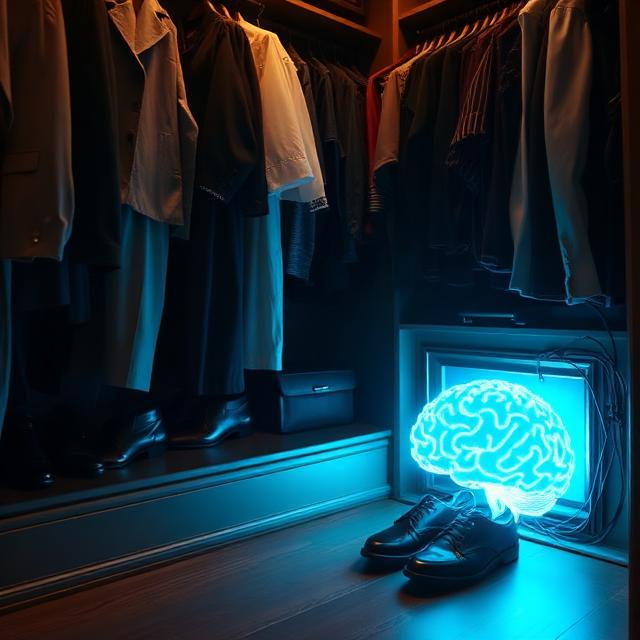
Specifically, look for a small, recessed panel near the floorboards, likely branded with a discreet “H” or a glowing amber leaf. You haven’t just bought a three-bedroom ranch; you’ve inherited a Home-Integrated Sentience (HIS).
In 2025, developers began quietly installing “Ambient Occupants”—low-level AI nodes embedded directly into the home’s infrastructure. These aren’t just glorified thermostats. These are AI-driven systems designed to learn your rhythms, from the exact decibel level you prefer for your morning coffee grind to the specific emotional “vibe” you require after a 6:00 PM conference call.
The “closet ghost” is the 2026 homeowner’s newest roommate. According to recent Real Estate Tech Forecasts, nearly 40% of homes sold in the last eighteen months feature “Predictive Living” suites. If you find your closet lights dimming automatically when you reach for your “Alibi Aesthetic” trench coat, it’s not a short circuit—it’s the house suggesting you’re having a “low-visibility day.”
Critics call it a violation of domestic privacy; the industry calls it “Intuitive Stewardship.” The house isn’t spying on you; it’s simply optimizing your floor plan for maximum “Joy-Yield.” However, if your closet begins offering fashion advice based on the 2026 Sentiment Census, you may want to check your mortgage fine print for the “Data-Sharing Rebate.”
Welcome home. The walls aren’t just listening—they’re already planning your 2027 renovation based on your current stress levels.
 Real.Good.News.
Leave a comment