By Avery Finch
Senior Correspondent for Synthetic Life and Domesticity
January 17, 2026
For most of human history, pets offered simple companionship and mental health support, with 95% of owners in past decades reporting that their animals improved daily well-being. They offered “unconditional love” with a relatively low-tech overhead. But in the hyper-optimized reality of 2026, the traditional biological pet has become an emotionally and financially inefficient burden, a “fuzzy liability” that requires constant, non-negotiable management.
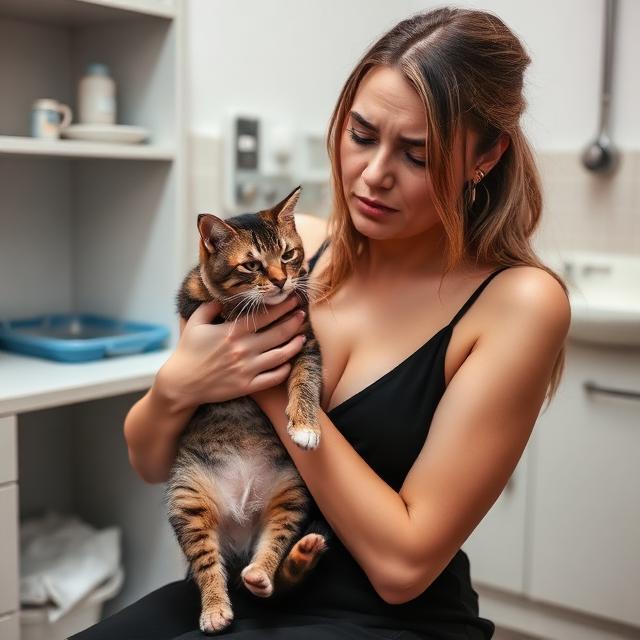
Our image perfectly captures the “Pet-Parental Anxiety” that is defining the mid-decade. The owner is visibly stressed, grappling not just with the cat, but with the sheer weight of the responsibility. This anxiety is a core driver of 2026 pet trends: owners are most worried about their pets aging, health conditions, expenses, and travel arrangements.
The industry has responded by pivoting from casual ownership to intensive “pet guardianship”. We no longer just feed our pets; we engage in “preventative care” with smart collars and litter box sensors that track data to a veterinarian in the Cloud. This has led to a market boom in complex solutions:
- Behavioral Tech: From pheromone diffusers to high-tech devices that use pulsed electromagnetic fields to calm anxiety at the root cause, pet stress is now a multi-million dollar industry.
- Wellness Plans: Proactive testing and wellness subscriptions are replacing reactive, crisis-driven care, pushing pet costs into the realm of human healthcare budgeting.
The simple desire for comfort remains constant, but the means of achieving it have become complex. The modern pet owner is trapped between the deep emotional connection and the relentless logistical demands of a living, breathing creature in an optimized world.
In 2026, while the emotional satisfaction remains, the practical costs are redefining the bond. The greatest luxury of all might be a pet that comes with a “mute” button.
 Real.Good.News.
Leave a comment