By: Julian Sterling | Tech & Lifestyle Correspondent
January 17, 2026
SILICON VALLEY – In 2026, our pets are no longer just living in our homes; they are active participants in our digital ecosystems. Following the groundbreaking showcases at CES 2026 earlier this month, the “Internet of Pets” has evolved from simple GPS trackers to sophisticated, AI-driven wellness hubs that turn every bark, meow, and nap into actionable data [1, 2].
The standout trend of early 2026 is the shift from reactive to predictive wellness. New AI diagnostic tools now analyze behavioral data—such as sipping frequency at water stations or respiratory rates during sleep—to flag potential health issues weeks before they become clinical emergencies. This “biometric surveillance” allows for a level of preventative care that was previously impossible for the average pet owner.
The “Naked” Revolution: Biometrics Without the Collar
One of the most significant shifts this year is the move toward “unplugged” pet recognition. Industry experts have recognized that many animals find traditional wearable collars invasive or uncomfortable. In response, 2026 has seen a surge in “Naked Recognition” technology, which uses high-precision vision AI to identify pets by their unique facial contours and coat patterns. This allows for hardware-free monitoring in multi-pet households, ensuring that dietary and health tracking is accurate without the need for bulky physical tags.
The Essential Categories of 2026 Pet Tech
The market for smart pet gadgets is projected to reach record heights this year, focusing on seamless integration into broader smart home ecosystems through unified connectivity standards.
- AI-Enhanced Waste Management: New litter systems utilize internal cameras to monitor waste consistency and pH levels, providing early warning signals for digestive or urinary infections.
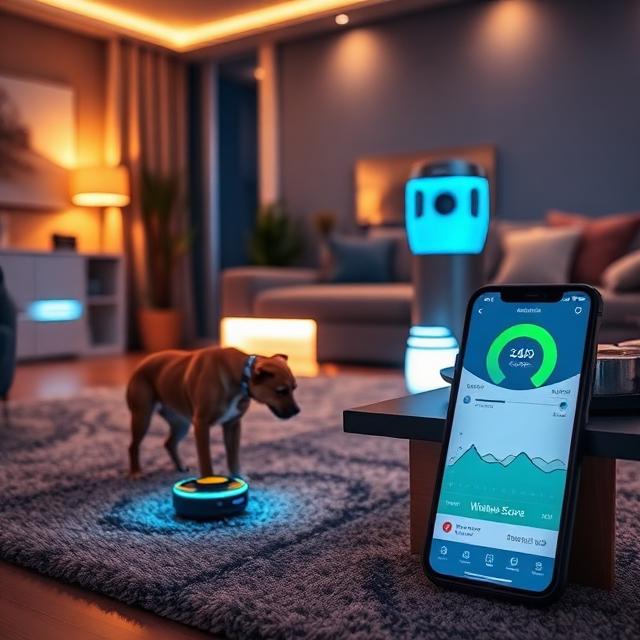
- Predictive Health Dashboards: Multimodal AI systems now create “digital twins” of a pet’s health profile, allowing owners to interact with an app to receive a plain-English summary of their pet’s current vitality.
- Autonomous Mobile Companions: Small, mobile robots now navigate homes to provide engagement and exercise, using AI to identify “playful” moods and snap photos for the owner’s digital feed.
- Context-Aware Feeders: Responsive feeding stations learn an animal’s habits over time, automatically adapting portion sizes based on real-time hunger cues and activity levels rather than a rigid schedule.
- Smart Entry Systems: Integrated pet doors now use facial recognition to provide secure, app-controlled access, effectively locking out local wildlife while keeping the household pet on a digital curfew.
As pet ownership becomes increasingly data-driven, these tools are transforming the human-animal bond into a digital partnership. By the end of 2026, the best pet tech won’t just be a gadget; it will be an invisible, intuitive extension of the care we provide.
 Real.Good.News.
Leave a comment