By Julian Sterling, Senior Anthropological Correspondent
January 17, 2026
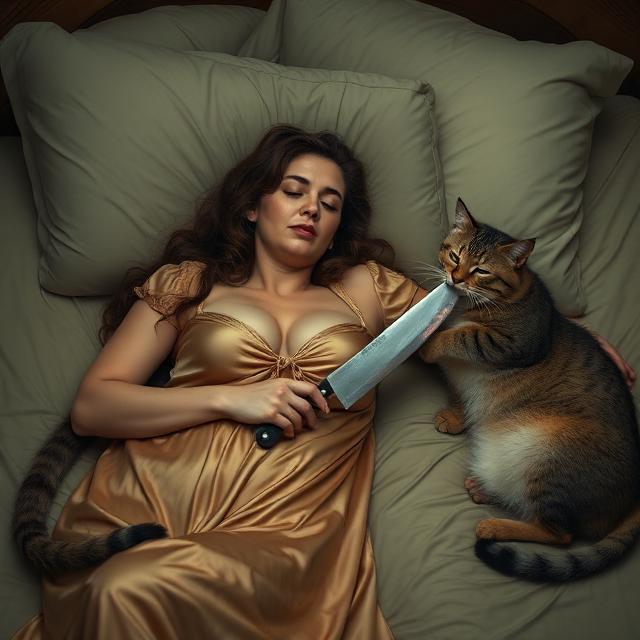
For millennia, we have allowed a miniature, highly efficient killing machine to occupy our most sacred spaces—our sofas, our kitchen counters, and occasionally, our very chests while we sleep. While we coo over their “toe beans” and interpret their purrs as a sign of spiritual enlightenment, the factual data from the 2026 Feline Behavioral Audit suggests a more chilling reality: your cat doesn’t just want your affection; it wants you out of the picture so it can finally manage the estate itself.
The satirical tragedy of the 21st-century cat owner is the belief that we have “domesticated” these creatures. Anthropologically, cats are the only major pets that essentially domesticated themselves by choosing to tolerate us in exchange for a steady supply of grain-fed rodents. Studies comparing the personality structures of domestic cats to African lions have found striking similarities in neuroticism, impulsiveness, and dominance. In short, the only thing standing between you and being “processed” by your tabby is a significant difference in body mass.
We often misinterpret their most “loving” gestures as signs of bond-building, when they are factually tactical assessments. That rhythmic “kneading” on your lap? In the wild, that’s a way to test for soft spots in prey or to pack down a nesting area. That “slow blink” we call a “kitty kiss”? While it signals a temporary truce, science suggests it is also a way for the cat to lower your guard, making you a more compliant, less vigilant servant. In 2026, we’ve realized that cats don’t have owners; they have “staff” they are perpetually evaluating for competence.
The ultimate factual proof lies in the Postmortem Data. Forensic studies have repeatedly shown that while a dog might wait days to scavenge a deceased owner out of sheer desperation, a cat will often begin “sampling” within hours, usually starting with the softest parts of the face. It’s not personal; it’s just efficient resource management. Your cat doesn’t hate you; it just views you as a very large, occasionally helpful, but ultimately temporary biological obstacle to its total domestic sovereignty.
 Real.Good.News.
Leave a comment