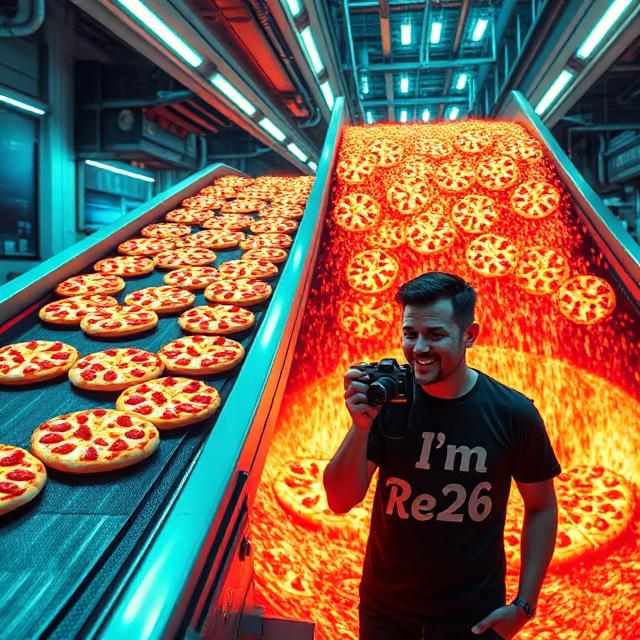
By: Julian Sterling | Digital Correspondent
January 17, 2026
SILICON VALLEY – In 2025, the world trembled as “AI Slop”—that high-volume, low-effort synthetic filler—officially became the primary output of the human race. But as we settle into 2026, a surprising counter-narrative has emerged. Far from destroying our digital heritage, the relentless tide of “Shrimp Jesus” images and hallucinatory LinkedIn think-pieces is actually saving us from ourselves.
Here is how the overwhelming presence of 2026’s “Slop” is making the internet a better (or at least weirder) place:
- The Rise of the “Human Premium”: By flooding the web with “forget-to-blink” synthetic art, AI slop has made authentic human effort a luxury good. In 2026, a blurry, poorly framed photo of your actual lunch is now considered more “high-fidelity” than a perfect, AI-generated golden-hour feast.
- Unintentional Surrealism as Art: Move over, Dali. The bizarre “glitch aesthetics” of modern slop—where people have seven fingers or eat dinner with their ears—have birthed a new era of “Pop Art”. In 2026, absurdity is the only defense against boredom.
- Endless Content for the Bored: With 90% of online content projected to be synthetic by the end of 2026, no one will ever “finish” the internet again. There is now a “zombie football” or “cat soap opera” video for every possible human mood.
- A “Vibe-Based” Reset of Search: Traditional search engines have become so cluttered with AI-summarized nonsense that people are finally returning to the ancient art of “asking a real person”. The “slop-pocalypse” has successfully broken our 20-year addiction to Google-first thinking.
- Infinite “Training Data” for Satirists: The sheer volume of 2026 slop provides a limitless supply of material for comedians. From parodying “The Velvet Sundown”—the AI-generated band currently topping Spotify—to mocking corporate emails that use “synergy” four times in one sentence, satire has never been easier.
- The Return of the “Physical” World: By making the digital world feel like a hall of mirrors, AI slop is driving the youth of 2026 back to physical hobbies like gardening or clay-throwing—activities where the “output” cannot be faked by a prompt.
- Smarter Digital Consumers: We are no longer the naive scrollers of 2024. The presence of slop has forced every 2026 internet user to develop the critical thinking skills of a forensic investigator just to figure out if a news article is real or just a “hallucination” in a suit.
 Real.Good.News.
Leave a comment